
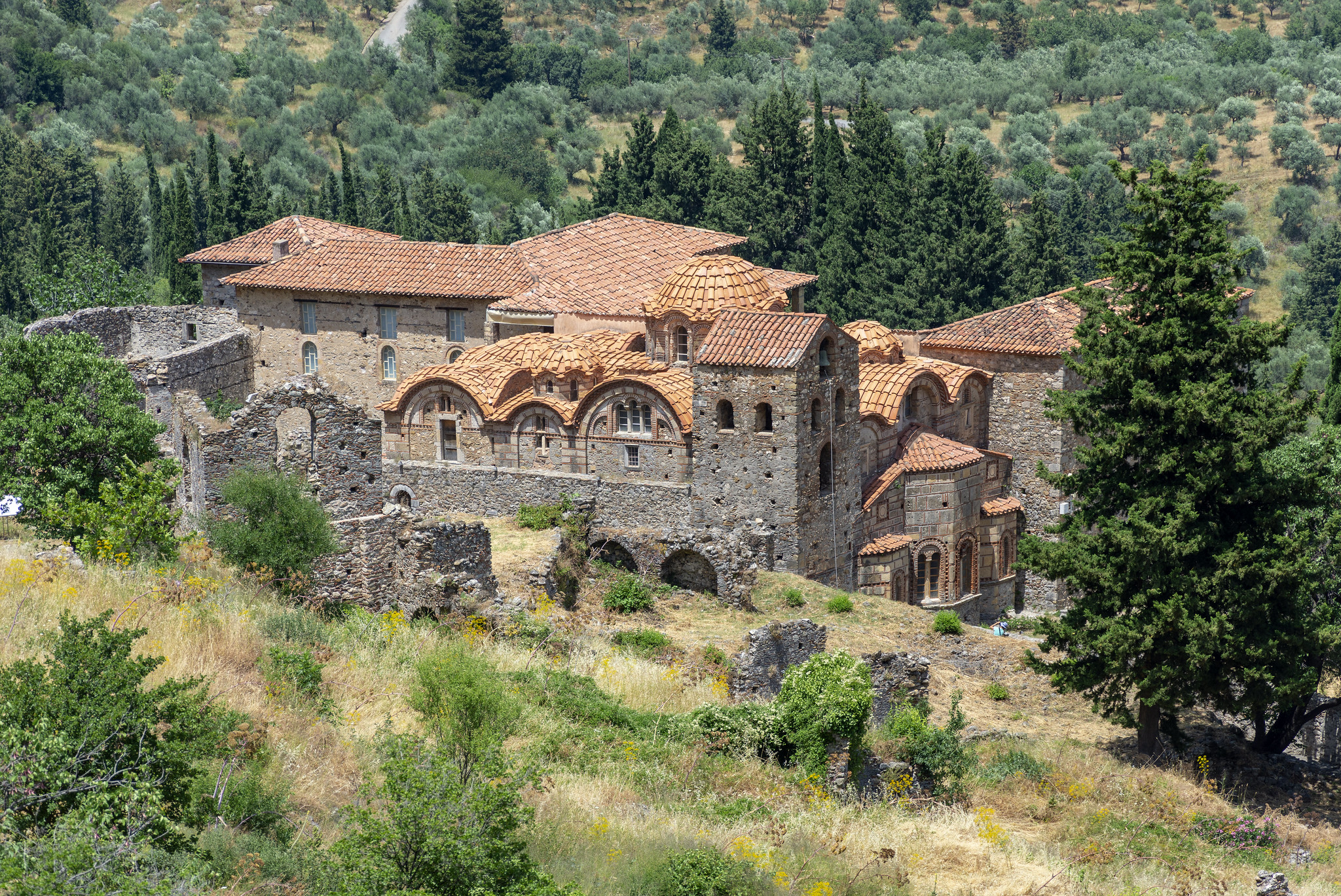
A medieval city reborn after 777 years
Why it matters
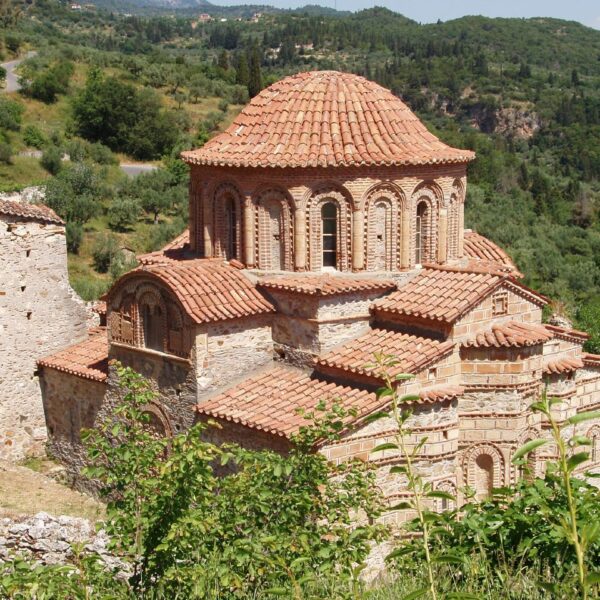
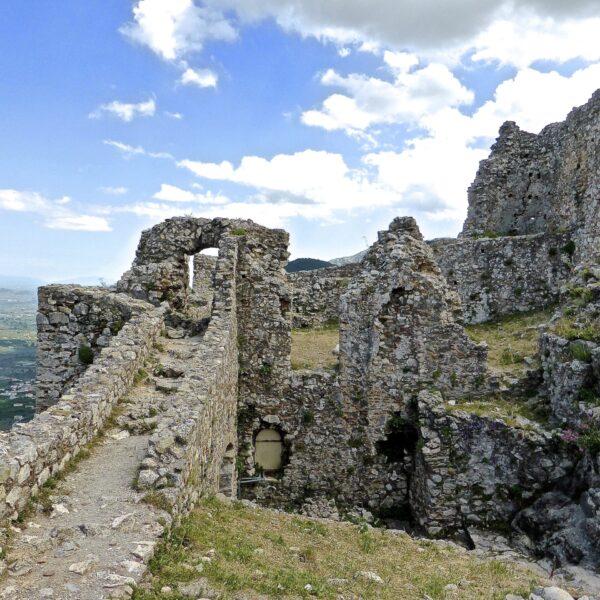
Recognized by UNESCO as a World Heritage Site in 1989, Mystras was one of the most important intellectual and cultural centres of the late Byzantine Empire.
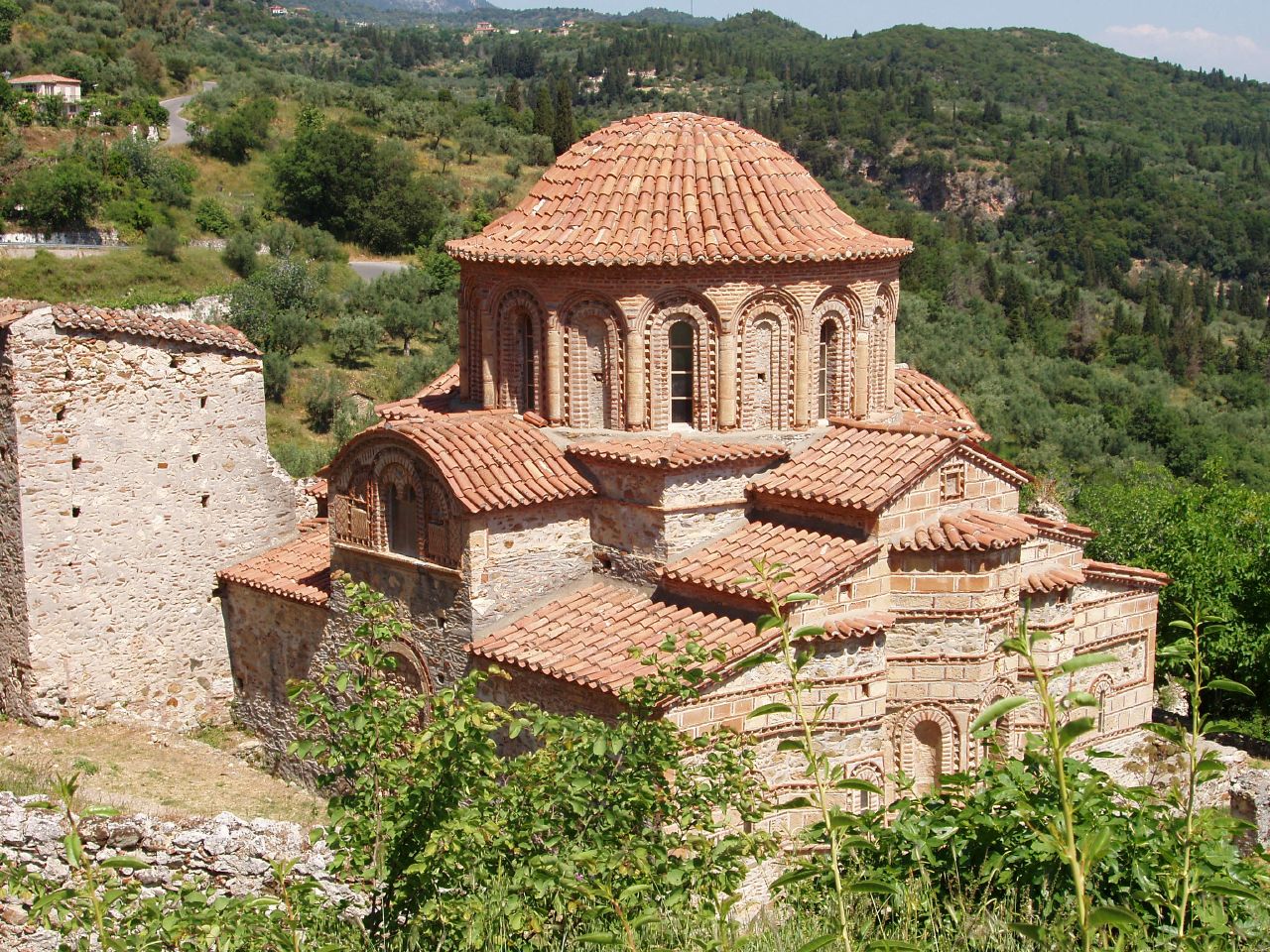
Its influence on the transmission of Greek learning to the West played a decisive role in shaping the European Renaissance and its churches and monasteries are still adorned with stunning frescoes from the final chapter of Byzantine civilization.
42 years in the making
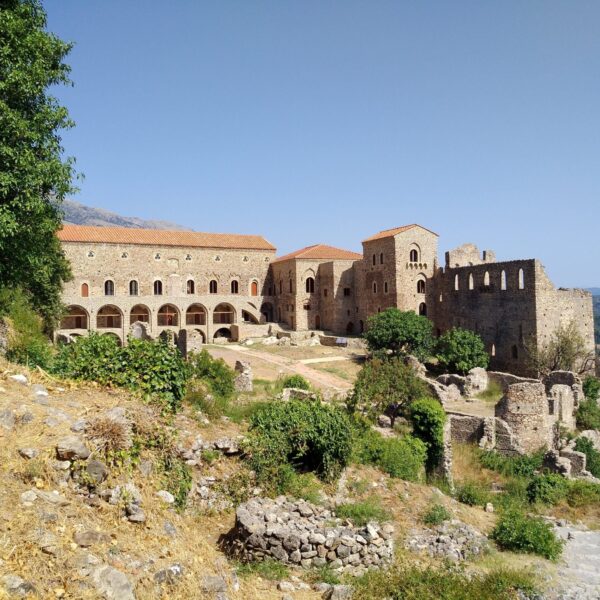
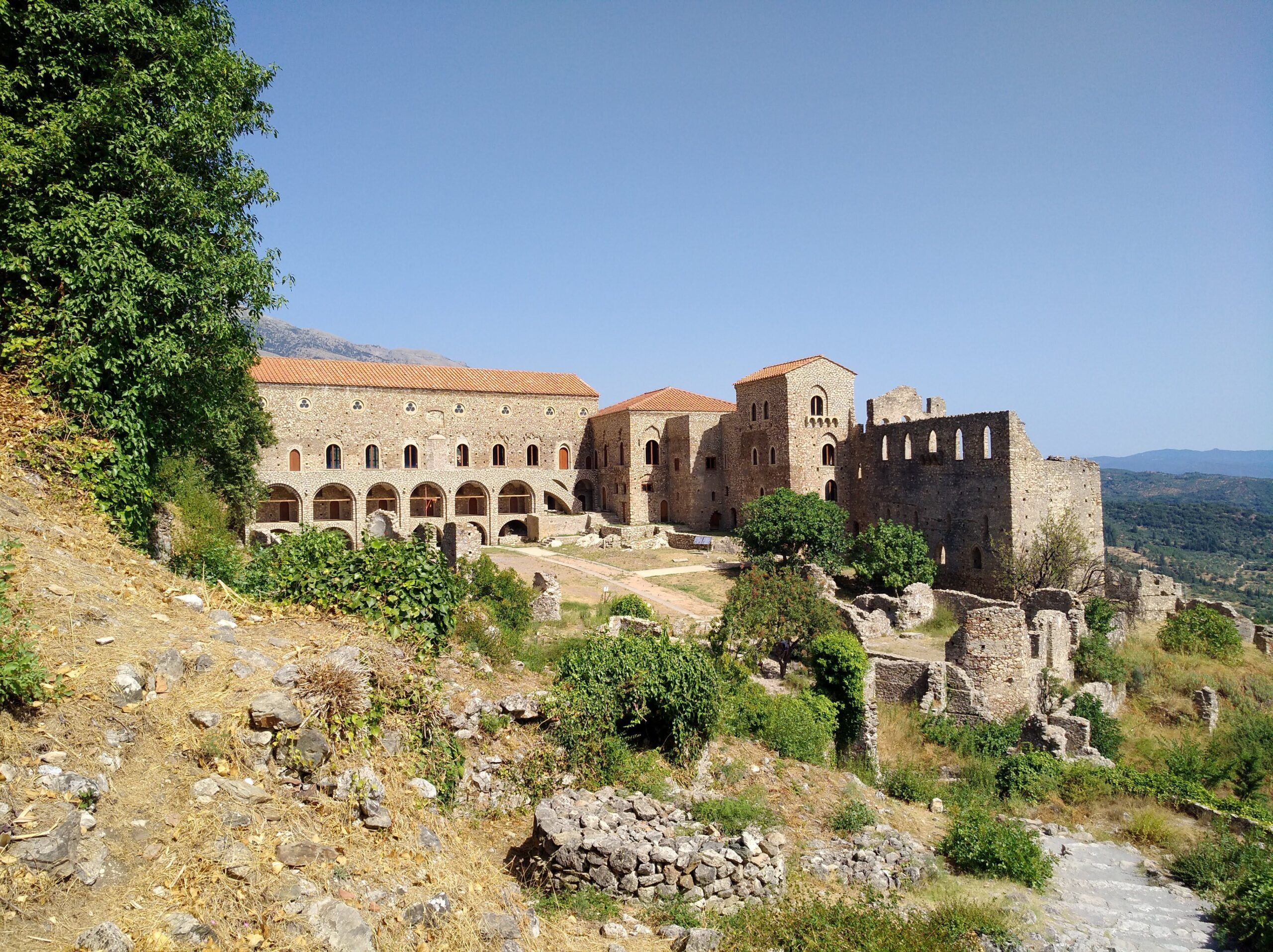
The restoration was led for 31 years by Professor Stefanos Sinos of the National Technical University of Athens. When his team arrived in 1984, the Palace was little more than crumbling walls and rubble.
What followed was one of the most complex archaeological undertakings in modern Greek history — including the discovery of a primitive Byzantine earthquake protection system built into the palace walls and a years-long search for timber beams of the right dimensions to reconstruct the roof, eventually sourced from Mount Athos.
What to see
Three exhibitions now bring the palace to life. Princely Narratives traces power and daily life in Byzantine aristocracy. In the Halls of the Princess explores how Mystras inspired European thinkers across the centuries.
And in the Throne Room itself, In the Light of the Court showcases stunning handcrafted Byzantine costumes, embroidered by the nuns of the Pantanassa monastery.
Plan your visit
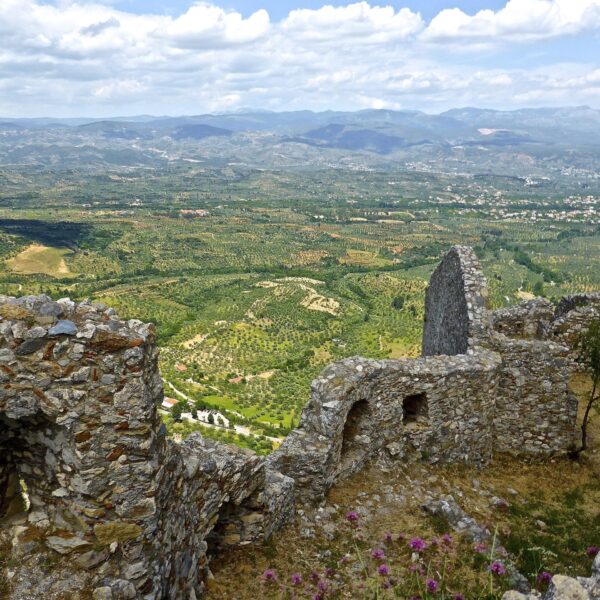
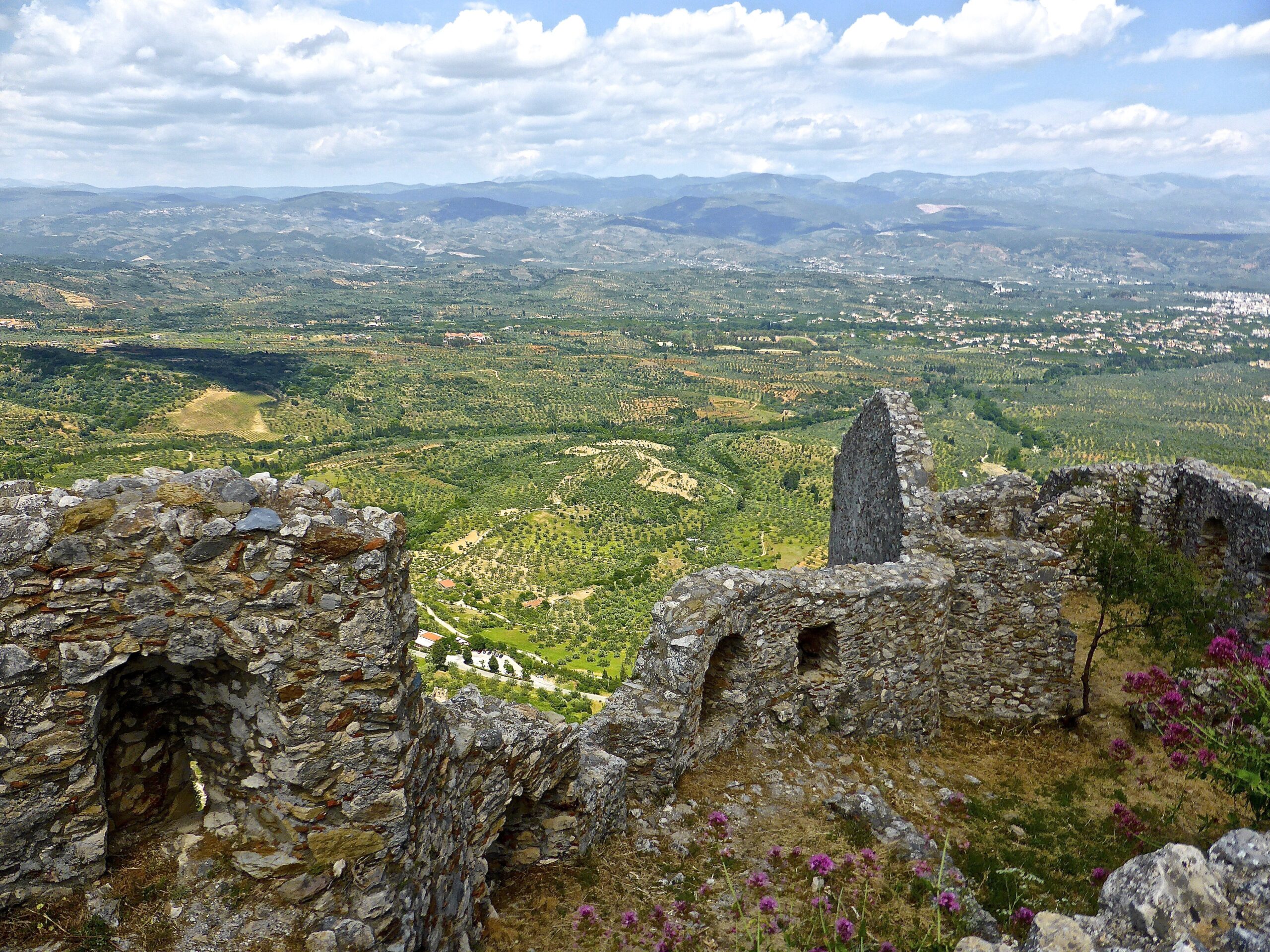
Mystras sits on the slopes of Mount Taygetos, just a short drive from Sparta — a journey as beautiful as the destination itself.
At MyDays in Athens, we can design a tailor-made day trip or extended itinerary
to Mystras and the wider Peloponnese — combining history, gastronomy and hidden gems along the way.
Get in touch to start planning.